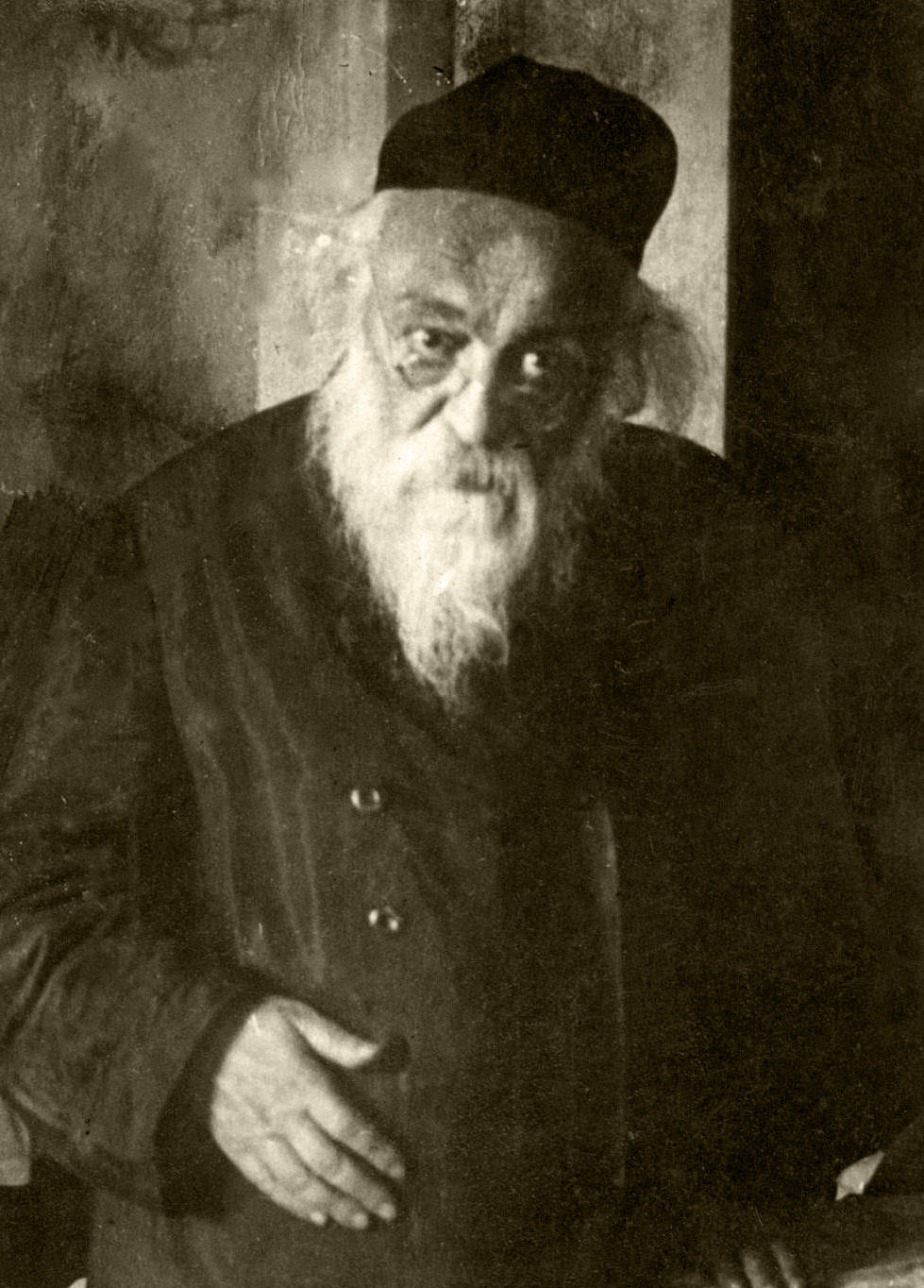
ר׳ חיים הלוי סולובייצ׳יק
ר׳ חיים הלוי סולובייצ׳יק (1853–1918), commonly called ר׳ חיים מבריסק, transformed modern Talmudic study through the conceptual method known as the Brisker derekh. Born in Volozhin to ר׳ יוסף דוב הלוי סולובייצ׳יק, author of בית הלוי, he spent part of his youth in Slutsk and returned to Volozhin after marrying Lifsha, daughter of ר׳ רפאל שפירא. In 1880 he joined the Volozhin faculty alongside ר׳ נפתלי צבי יהודה ברלין. His lectures replaced accumulations of local textual solutions with exact definitions of legal categories, frequently explaining apparent contradictions in the Mishneh Torah of ר׳ משה בן מימון through two distinct conceptual frameworks. When the Russian authorities closed Volozhin in 1892, he moved to Brest-Litovsk and succeeded his father as communal rabbi. There his household became renowned not only for learning but for material assistance to the poor and a broad approach to saving life. His influence spread through students and family, especially his sons ר׳ יצחק זאב הלוי סולובייצ׳יק and ר׳ משה סולובייצ׳יק. He died while seeking medical treatment in Otwock on 30 July 1918 and was buried in Warsaw. His carefully revised חידושי רבנו חיים הלוי, published posthumously, became the foundational printed expression of Brisker analysis.