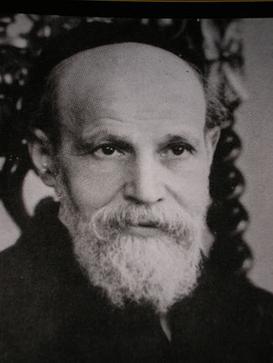
ר׳ צבי הירש פרבר
ר׳ צבי הירש פרבר (approximately 1878/79–1966) was a Lithuanian-born British rabbi, halakhist, preacher and exceptionally prolific Hebrew author. Born in Slabodka, adjoining Kovno, to ר׳ שמעון יהודה ליב פרבר and חנה דבורה, he was formed in the Lithuanian mussar and yeshiva world. Sources associate his education with the Slabodka yeshiva and with ר׳ יצחק אלחנן ספקטור, ר׳ יצחק בלאזר and ר׳ נפתלי אמסטרדם. He migrated to England in 1910 or 1911. In Manchester he taught Talmud and helped establish or lead a yeshiva before moving to London. In July 1913 he became rabbi of the West End Talmud Torah Synagogue in Soho, later commonly called the West End Great Synagogue, and served the congregation for more than forty years, retiring in 1954 or 1955. The congregation and its affiliated burial arrangements gave him an unusual degree of independence from Britain's central religious establishment. He became known as an eloquent Lithuanian-style maggid and a leading representative of immigrant Orthodoxy. He established or helped organize the Committee of Orthodox Rabbis, served in leadership of the London Vaad Harabonim and the Hisachdus Harabonim, supported yeshiva education, and worked on shechita, burial and other communal questions. During ר׳ אברהם יצחק הכהן קוק's First World War residence in London the two rabbis formed a close friendship, documented by surviving correspondence. ר׳ צבי הירש was also a persistent scholar: accounts place him regularly in the British Museum's Oriental Reading Room, and surviving autograph notebooks confirm sustained work on Torah, Talmud, halakhah and homiletics. His principal publication was כרם הצבי, a multi-volume halakhic and aggadic commentary on the Torah issued between 1920 and 1938; he later published a Passover Haggadah under the same title. His many other books and pamphlets addressed festivals, prayer, Pirkei Avot, King David, Jewish thought and practical legal controversies. He died in London in November 1966. Because celebratory rabbinic accounts sometimes differ over exact dates and offices, this record gives priority to Encyclopaedia Judaica, institutional catalogues, archival evidence and surviving manuscripts, while marking unresolved variants explicitly.